Selecting the correct lockout solution is one of the most overlooked steps in hazardous energy control. While many facilities understand what a valve lockout is and why it matters, fewer focus on how to match the device to the actual valve in use. This article addresses a single, practical dimension for buyers: choosing the right Valve Lockout based on valve structure, operating environment, and maintenance requirements.
-1332.jpg)
Industrial valves vary widely in shape, operation method, and space constraints. Applying a mismatched lockout device can create false security, where a valve appears locked but can still be partially operated.
A properly selected Valve Lockout ensures full mechanical restraint by aligning with:
Handle or wheel geometry
Rotation range and stopping points
Clearance around the valve assembly
This selection logic is essential for maintaining effective energy isolation during servicing and inspection tasks.
The most reliable results come from choosing lockout devices designed specifically for valve categories:
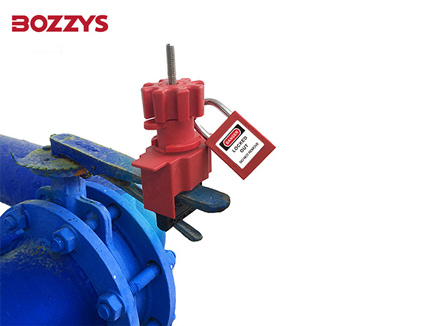
Handwheel-operated valves require enclosures that block rotation without damaging the wheel.
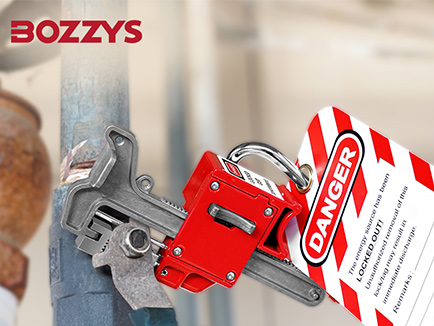
Lever-operated valves demand compact devices that restrict movement in tight piping layouts.
Large-diameter valves often need modular or adjustable lockouts to accommodate size variations without compromising stability.
Using application-specific lockout tagout devices reduces installation errors and improves consistency across maintenance teams.
Beyond valve type, buyers should evaluate where and how the lockout will be used. Exposure to moisture, chemicals, or outdoor conditions can affect material performance over time.
Key considerations include:
Resistance to corrosion and temperature fluctuation
Non-conductive construction for mixed-energy environments
Clear visual identification to support LOTO inspections and shift changes
These factors directly influence long-term reliability and compliance readiness.
Manufacturers like Bozzys design valve lockout solutions to integrate seamlessly into broader lockout tagout systems, helping safety managers standardize procedures across different departments. Consistency in device selection simplifies training, reduces misuse, and strengthens audit outcomes without increasing administrative burden.
Choosing the right Valve Lockout is not about locking a valve—it is about locking the risk. By aligning the device with valve type, operating conditions, and safety program requirements, facilities can eliminate weak points in their energy control strategy and improve maintenance safety in a measurable way.
View compatible valve lockout solutions on the product page to identify devices that match your valve configurations and operational needs.





 Pусский
 Español
 Français
 عربي
عربي